 Ahmed Alaydi
Rawasy — Multilingual Corporate Frontend Powered by a Dynamic CMS
A modern corporate frontend built with Next.js for Rawasy services, sectors and solutions, with content served from a CMS, Arabic, English and French support, and strong SEO and responsive behaviour.
- Role
- Lead Engineer
- Timeline
- Production
- Industry
- Web Frontend
- Status
- Shipped
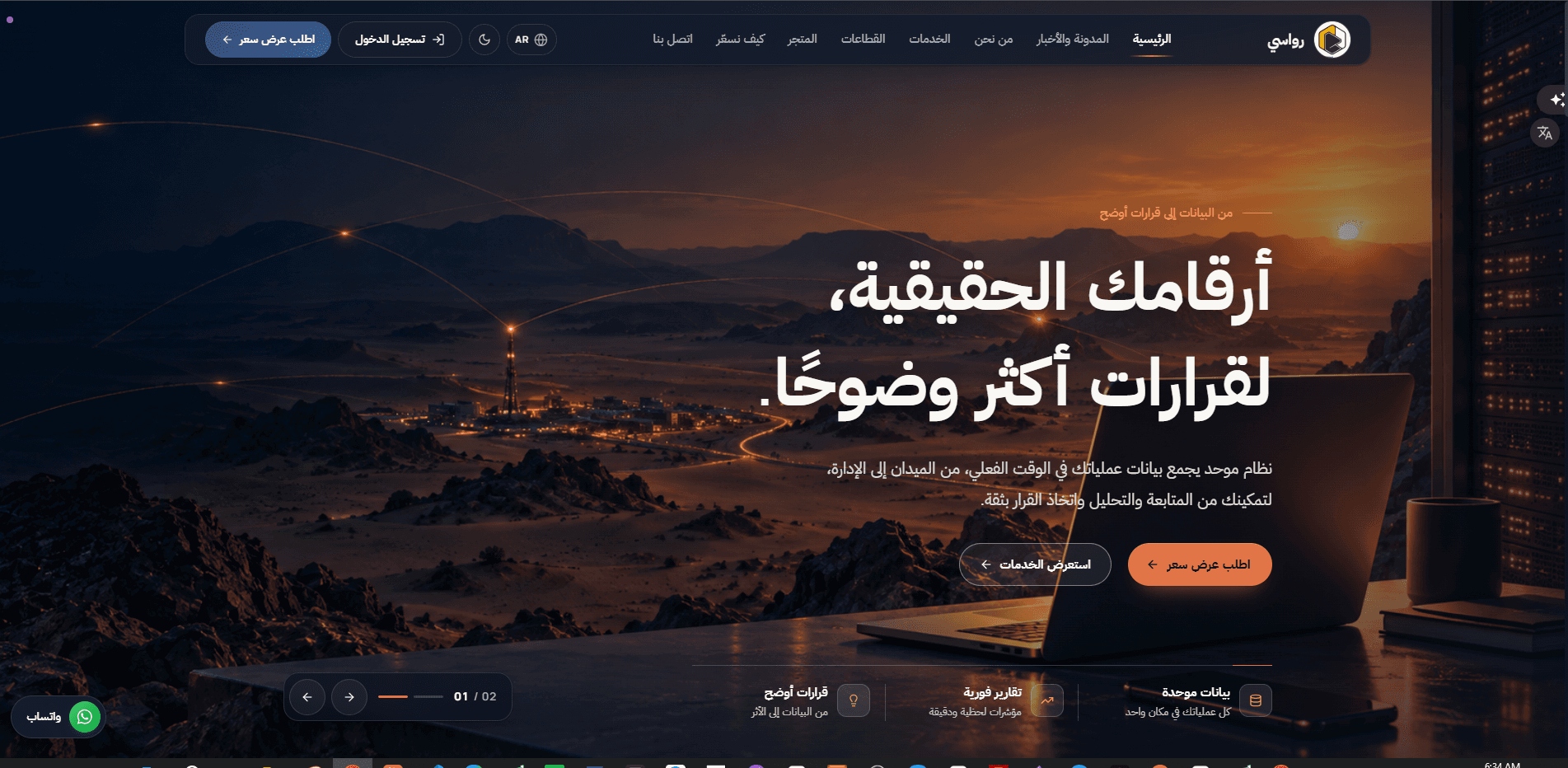
What this system is
A production-ready business frontend wired directly to a CMS and a REST API. It supports AR, EN and FR with full RTL and LTR handling, dark and light modes, one shared design system, advanced SEO, and content that is entirely manageable from the admin side rather than edited in code.
What we needed to solve
The company needed a corporate presence in three languages whose services, sectors and solutions could be updated by the business itself, without a developer in the loop for every wording or image change.
How we shipped it
A Next.js frontend that consumes the CMS through a REST API and builds each section from data, with one design system covering both reading directions and both themes, and metadata generated per page and per language.
How the system is wired
A modular architecture separating presentation, application, and data layers with REST contracts between the frontend and backend. Designed for clean scaling, observability, and predictable deployments.
Server-rendered + responsive client UI with reusable components and animation primitives.
Business logic in service classes, validated input, role-aware authorisation, and queueable side-effects.
Relational schema with indexed lookups, soft deletes, and migration-backed evolution.
REST APIs, webhooks, and third-party SDKs surfaced through thin adapters.
Engineering choices
In the wild
Hard problems, handled
The company needed a corporate presence in three languages whose services, sectors and solutions could be updated by the business itself, without a developer in the loop for every wording or image change.
A Next.js frontend that consumes the CMS through a REST API and builds each section from data, with one design system covering both reading directions and both themes, and metadata generated per page and per language.
Maintaining performance under realistic production load.
Indexed queries, paginated lists, image optimisation, and lean client bundles kept the platform responsive end-to-end.
Built to stay fast
Design and interaction
Ready to ship and operate
What it does
Why we chose what we chose
Built on Next.js, React, TypeScript.
Mature ecosystem, strong typing where applicable, and predictable performance characteristics for the workload.
REST-first integration boundary.
Keeps clients (web, mobile, partner) decoupled and trivially swappable without coupling to a single transport.
Results
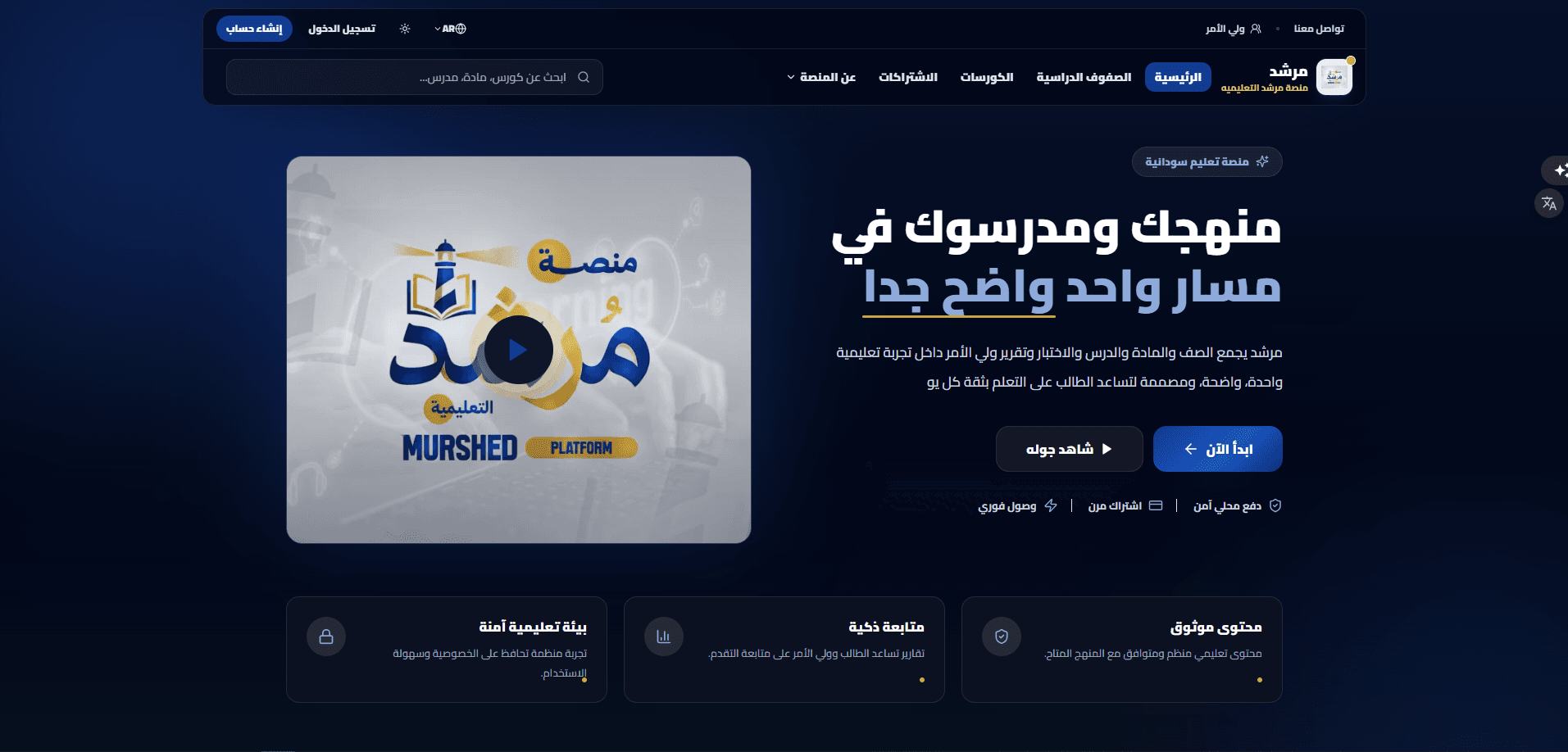
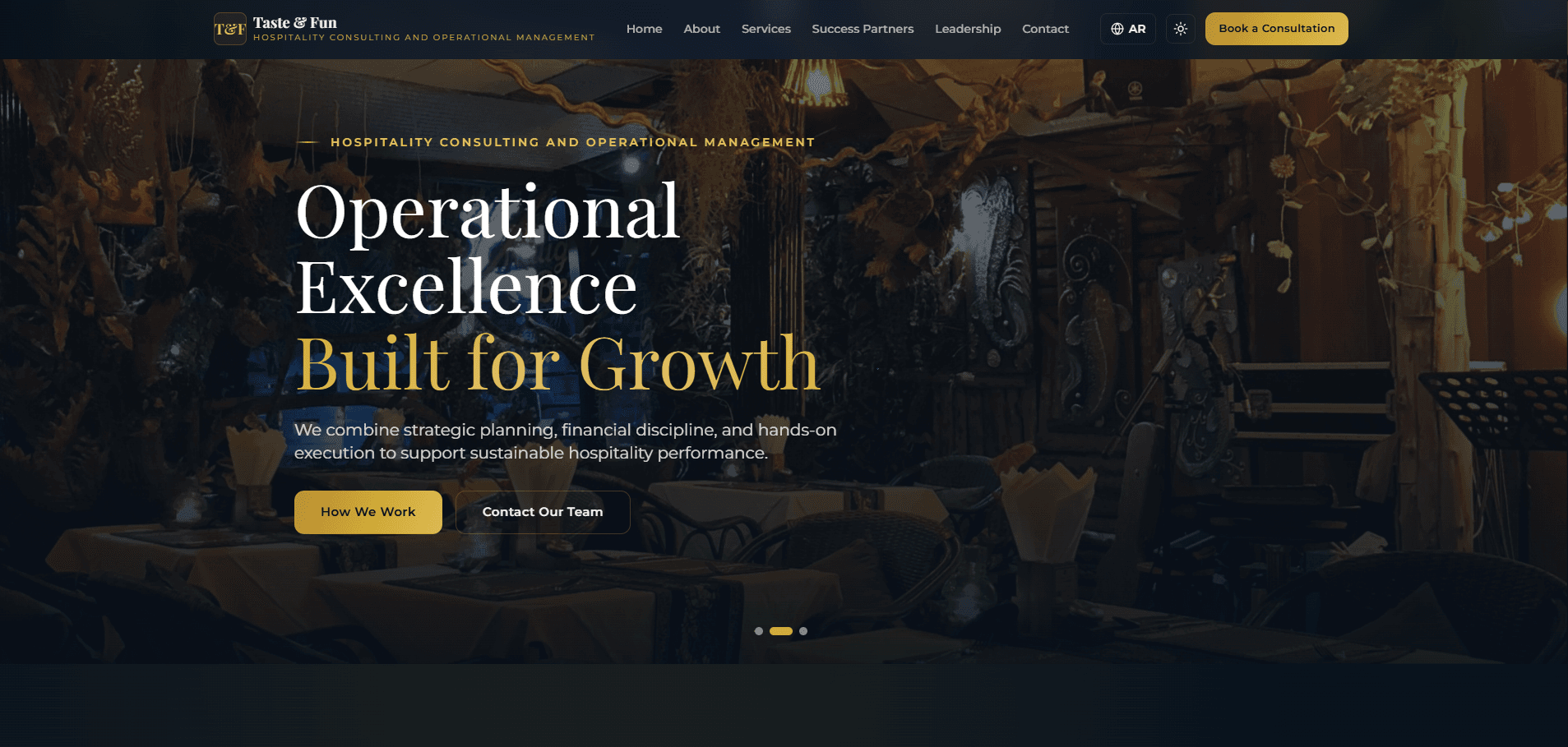
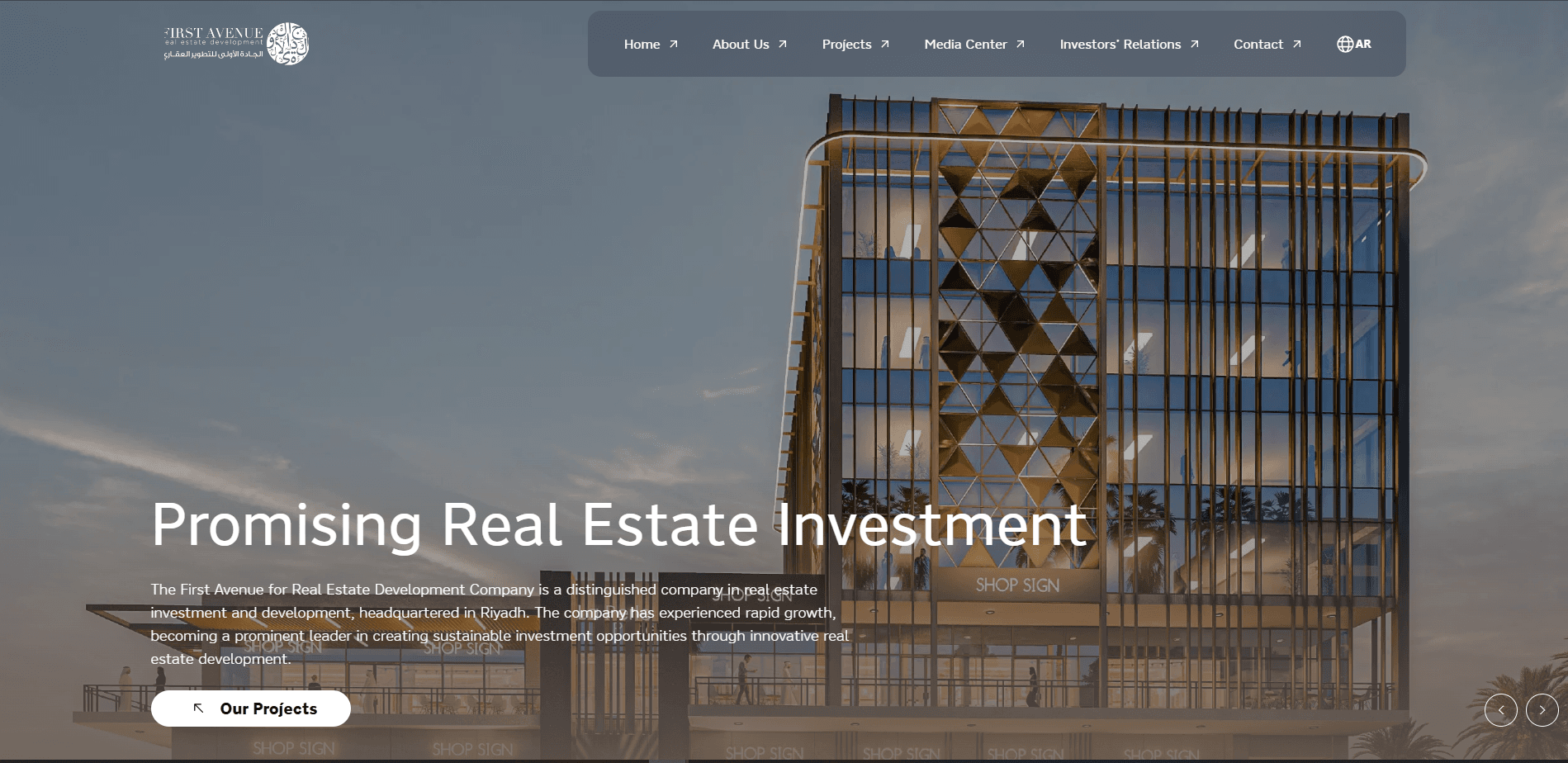
Other case studies

Building something similar?
Let's scope your platform — dashboard, mobile apps, APIs, the full stack.