
Case study
Zakat – Islamic Financial Platform & Dashboard
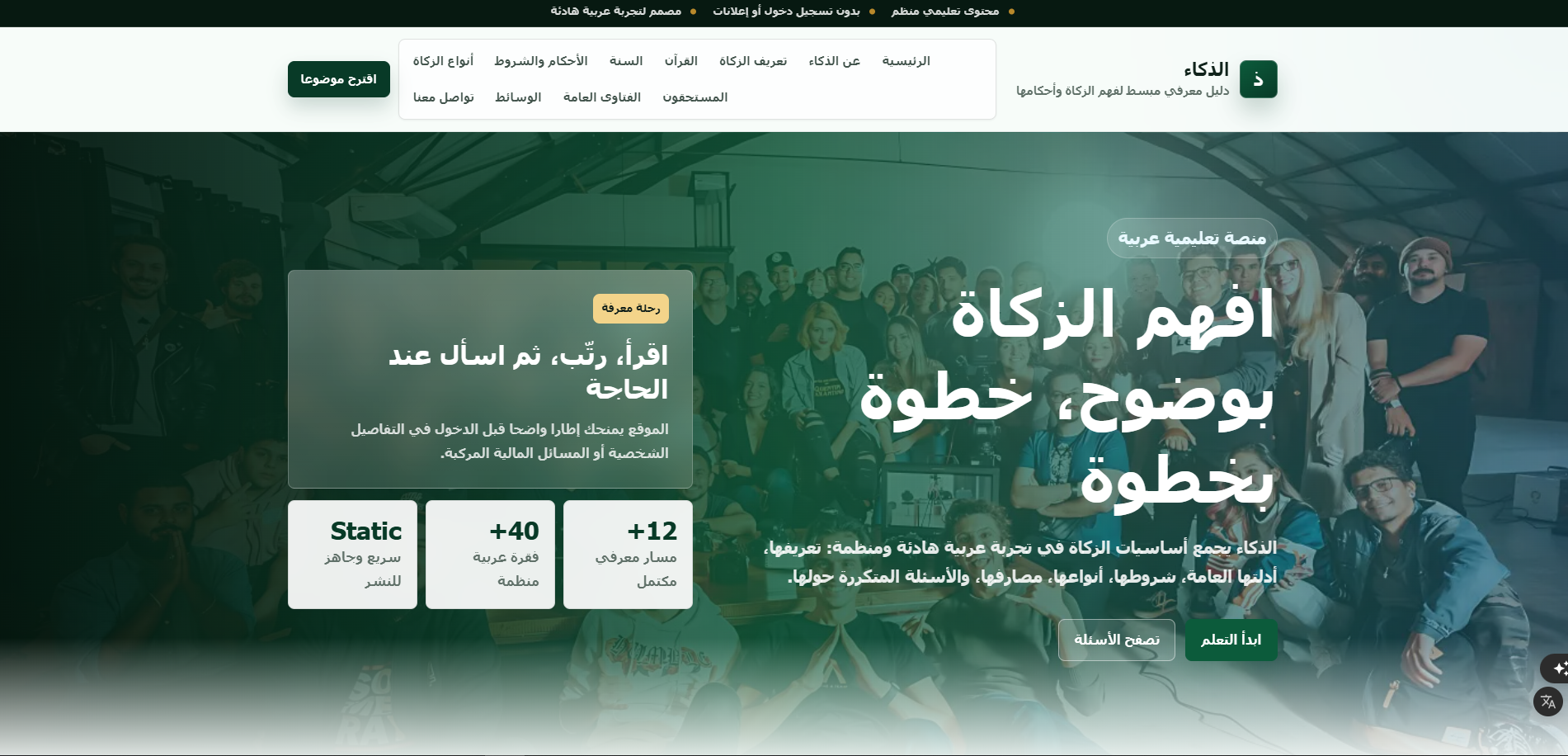
A modern Next.js frontend platform for presenting zakat-related content, calculators, FAQs, and dashboard flows with full Arabic support and scalable architecture.
- Discipline
- Web Frontend
- Type
- UI/UX · Dashboard · Full-stack
01Project overview
What this system is
Zakat is a frontend web platform built with Next.js to deliver an organized and user-friendly experience around zakat content, educational sections, FAQs, media, and dashboard flows. The project was developed from scratch based on a provided UX structure, with a strong focus on clean component architecture, Arabic RTL support, scalability, and readiness for API integration using Redux.
02The challenge
The problem it had to solve
Building a content-rich Islamic platform with multiple sections, dashboard flows, Arabic support, and future API integration requires a clean frontend architecture that can handle scalability, maintainability, and a consistent user experience.
03Solution & features
What was built
Developed the full frontend of the platform using Next.js, implementing the provided UX from scratch with reusable components, structured routing, RTL support, dark-ready UI patterns, and Redux-based state preparation for future API integration.
Core features
Built from scratch based on provided UX design
Multi-page frontend architecture with Next.js
Arabic RTL support
Organized reusable component structure
Dashboard-ready frontend flows
Redux state management setup for API integration
Responsive design across different screen sizes
Content sections for zakat topics, FAQs, and media
Clean navigation and structured layout system
Scalable codebase for future backend integration
04Technologies & role
The stack, and the role in it
- Technologies
- Next.js
- React.js
- TypeScript
- Redux Toolkit
- RTK Query
- SCSS
- Material UI
- i18next
Related work
More systems like this
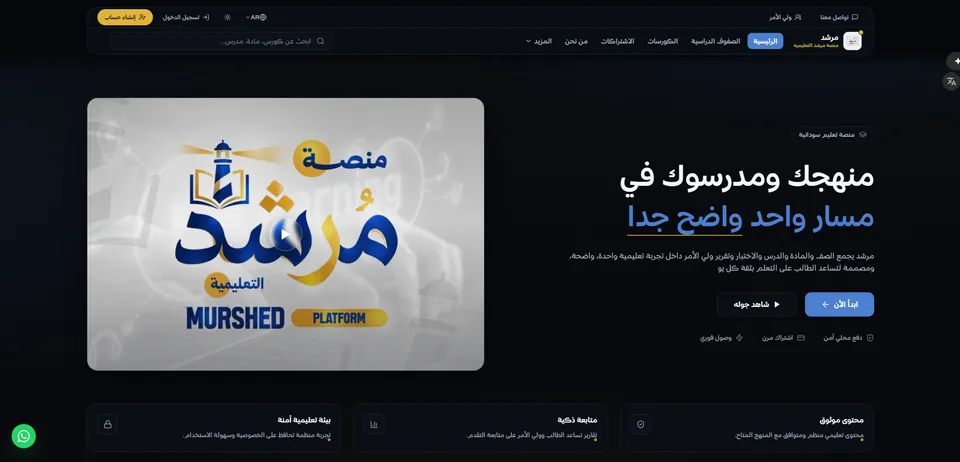
Morshed Educational Platform — Web Frontend
A production educational web platform combining student and parent experiences, structured curriculum, courses, lessons, exams, subscriptions, progress tracking, and responsive role-based interfaces.
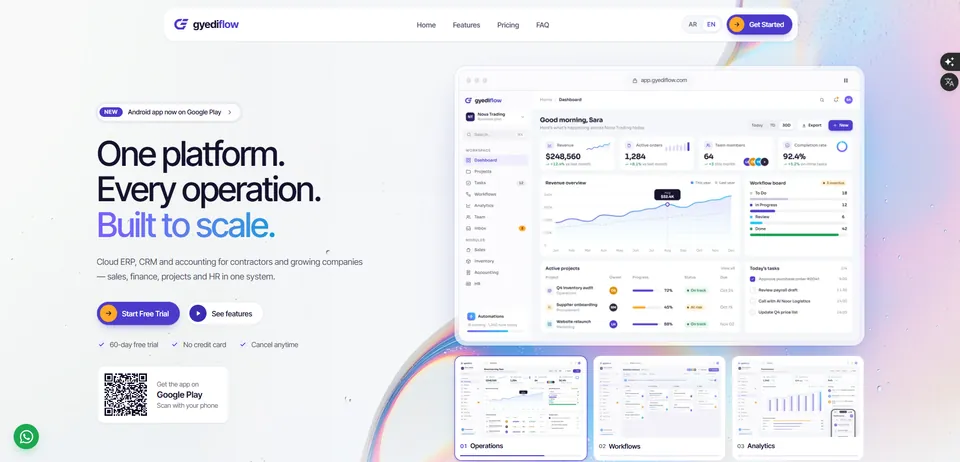
GyediFlow
The public website of GyediFlow, a cloud ERP and CRM platform with 30+ business modules, an AI assistant and mobile apps — a bilingual, responsive front end that turns a large enterprise product into a clear, navigable story.
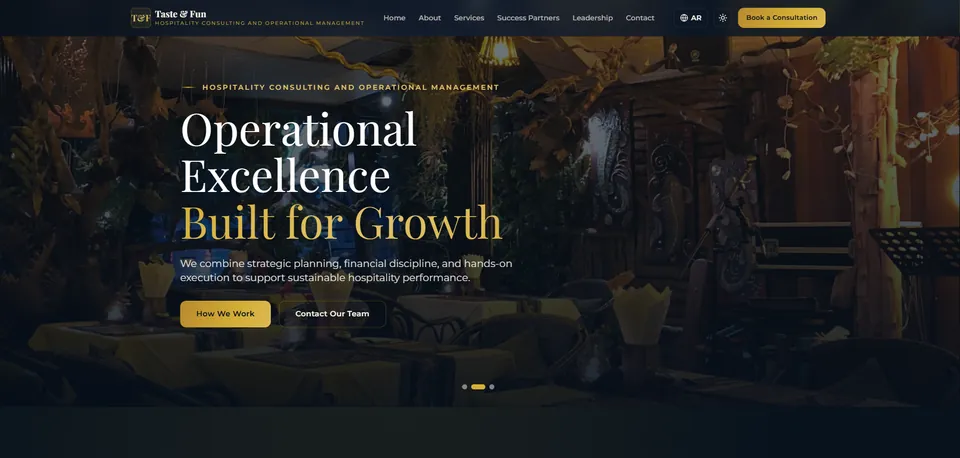
Taste & Fun — Hospitality Consulting & Operational Management
A premium bilingual hospitality consulting website created for the UAE and GCC, combining strategic content, operational services, leadership profiles, success partners, and a cinematic responsive experience.
Building something similar?
Describe what you need — the users, the scope, the systems it has to connect to — and I’ll reply with questions or a next step.