
Case study
Locate – Store Management & Admin Platform
Multi-store commerce operations, unified.
A Laravel-powered control plane orchestrating stores, products, orders, payments and notifications across a multi-tenant marketplace.
- Discipline
- Backend Systems
- Type
- Dashboard · API · Full-stack · E-commerce
- Domain
- Marketplace / E-Commerce
- Role
- Full-Stack Engineer
- Status
- Live
- Timeline
- Multi-phase, production
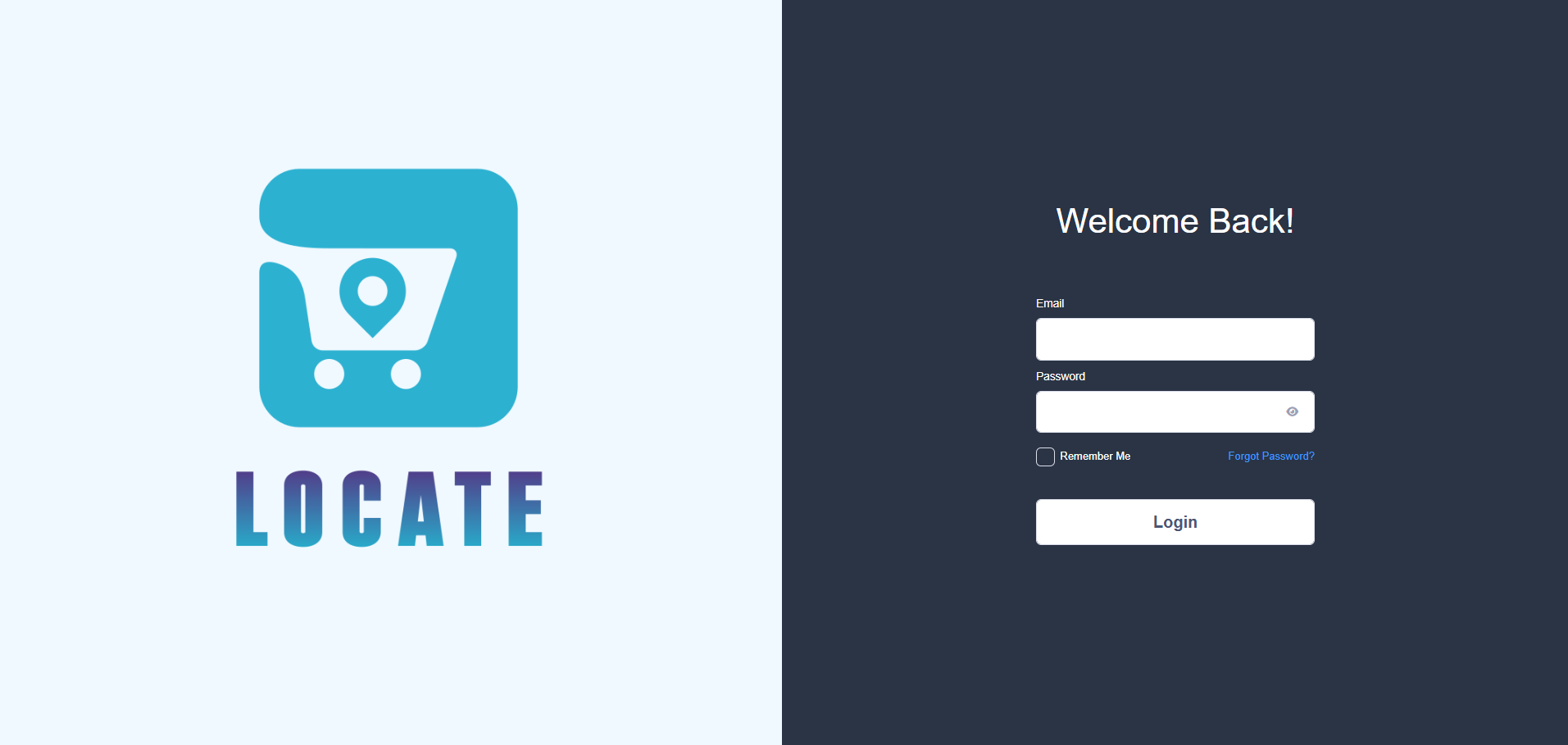
01Project overview
What this system is
Locate is a Laravel-based admin platform designed to manage multiple stores from a single dashboard. The system allows platform owners and administrators to control stores, store owners, products, orders, and user roles through a clean and scalable architecture.
02The challenge
The problem it had to solve
Managing multiple stores, admins, products, and orders without a centralized system leads to scattered data, manual workflows, and limited visibility for platform administrators.
03Solution & features
What was built
Developed a Laravel-based admin system that centralizes store management, product control, and order tracking within a role-based dashboard, providing better organization and easier system administration.
Core features
Role-based admin authentication
Multi-store management
Store owners and admins management
Products and orders management
Structured dashboard with sidebar navigation
Broadcast and notification system
Reports and summary views
04Architecture & integrations
How the system fits together
A three-tier system: a Laravel admin dashboard, a REST API consumed by three native mobile clients, and a Firebase + Telr integration layer for notifications and payments. All clients share a single authoritative database with role-aware authorisation.
Layers
01
Admin Dashboard
Laravel Blade + role-based access for platform operators.
02
REST API
Versioned endpoints serving customer, delivery, and admin mobile apps.
03
Mobile Clients
React Native customer / delivery / admin apps over the shared API.
04
Integration Layer
Firebase push, Telr payments, and broadcast pipelines.
Client applications
- Locate Customer
- Native shopping experience: discover stores, browse, checkout via Telr, track orders live.
- Locate Delivery
- Driver companion with live order assignment, navigation handoff, and proof-of-delivery.
- Locate Admin
- Operations on-the-go: live KPIs, approvals, broadcasts, and incident triage.
Back-end services
- Auth & Roles
- Multi-role authentication with policy-driven authorisation.
- Catalog Service
- Stores, store-owners, products, categories, media handling.
- Orders Service
- Order lifecycle, status transitions, and notification triggers.
- Broadcast Service
- Targeted push notifications across customers, drivers, and admins.
APIs & integrations
- Telr Payments
- Hosted checkout + webhook reconciliation for orders.
- Firebase FCM
- Push delivery with topic + token targeting.
- Mobile API
- Public REST surface consumed by all three companion apps.
Dashboard modules
- Overview
- Real-time KPIs across stores, orders, and revenue.
- Stores & Owners
- Onboarding, approvals, suspension, and store-level analytics.
- Products & Catalog
- Per-store inventory, categories, and media.
- Orders
- Lifecycle view from cart to delivery, with payment reconciliation.
- Broadcasts
- Composer for targeted notifications and announcements.
05Technologies & role
The stack, and the role in it
Role on the projectFull-Stack Engineer
- Frontend
- Laravel Blade
- JavaScript
- Bootstrap
- Back end
- Laravel
- PHP
- MySQL
- REST API
- Mobile
- React Native
- TypeScript
- Integrations
- Firebase Cloud Messaging
- Telr Payment Gateway
- Infrastructure
- Production hosting
- Cron-driven jobs
06Outcome
Where it stands
- Apps in ecosystem
- 1 dashboard · 3 mobile
- Roles supported
- Admin · Owner · Driver · Customer
- Payment rail
- Telr (live)
- Status
- Production
Related work
More systems like this
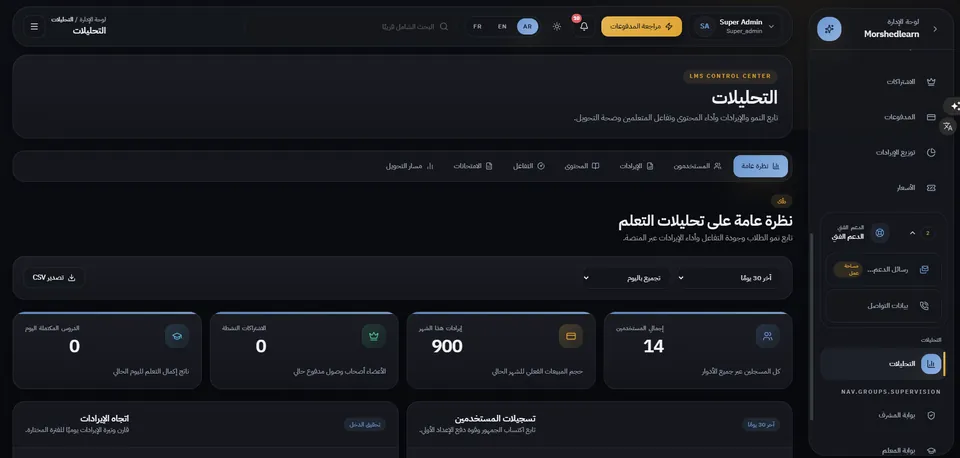
Morshed Platform Management System
A centralized management system that operates the whole Morshed educational platform — users, curriculum, lessons, courses, exams, subscriptions, payments, permissions, and the content the public site renders.
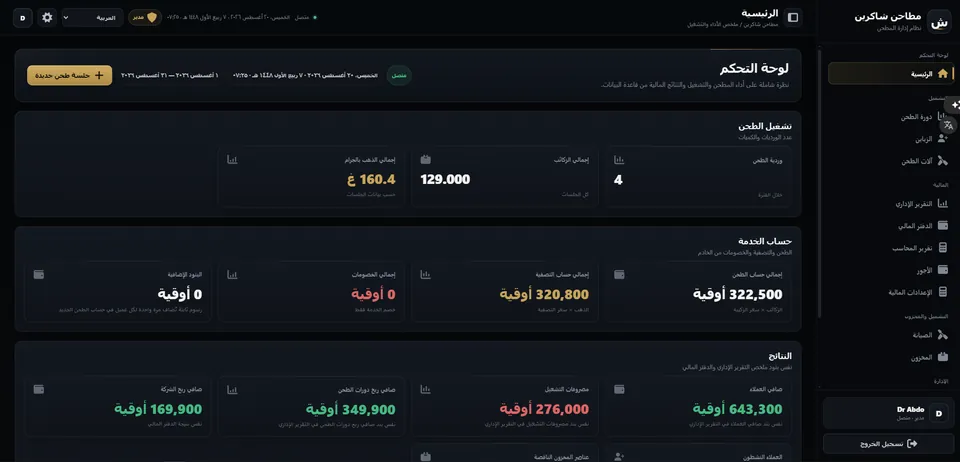
Shakirin Mills Gold Refining Management System
A complete operational and financial system for gold grinding and refining businesses, unifying grinding operations, customers, inventory, payroll, expenses, collections, accounting, and reporting in one platform.
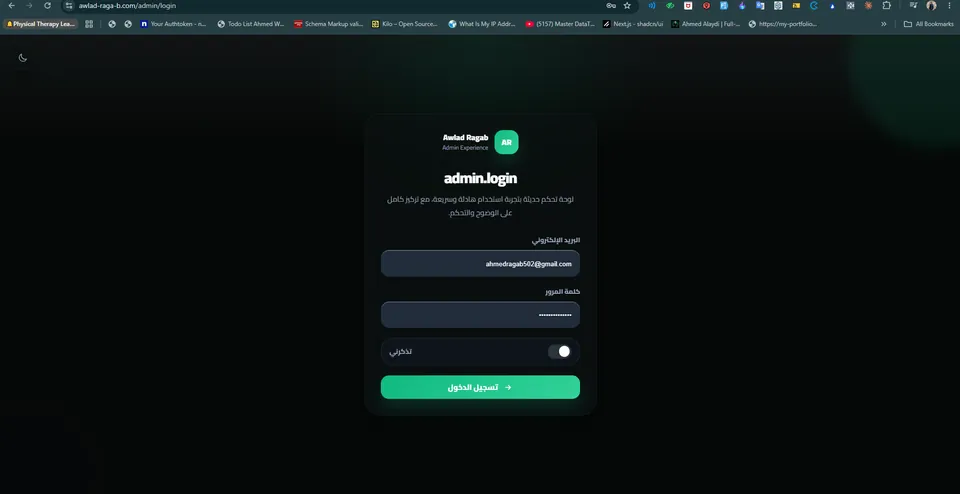
Awlad Ragab Wholesale System
The Laravel platform that runs Awlad Ragab's wholesale operation: products and categories, customer and representative accounts, orders, promotions, loyalty points, permissions and reporting, served to every client through one REST API.
Building something similar?
Describe what you need — the users, the scope, the systems it has to connect to — and I’ll reply with questions or a next step.