 Ahmed Alaydi
AI-Powered Fashion Design. Faster.
A smart clothing design platform that transforms written ideas into visual fashion concepts using AI generation, prompt translation, and a modern Laravel + React workflow.
- Role
- Full-Stack Developer
- Timeline
- AI Product Prototype
- Industry
- Fashion / Printing / AI Design
- Status
- Production Ready Prototype
What this system is
Clothing Design AI Kiosk was built to simplify the process of creating fashion concepts. Instead of relying only on manual design tools, users can describe their clothing idea and generate visual design previews using AI. The platform includes authentication, user credits, free trial generations, prompt translation, image generation, result preview, and an admin dashboard for managing the system.
What we needed to solve
Fashion creators and printing businesses often need fast visual clothing concepts, but manual design work is slow, expensive, and difficult to scale. Customers may also struggle to explain their design ideas clearly without visual references.
How we shipped it
An AI-powered clothing design platform that turns user prompts into generated clothing visuals. The system supports multilingual prompts, free trial generations, paid usage flow, admin management, and a polished user experience for creating fashion concepts quickly.
How the system is wired
The platform follows a Laravel and React architecture where Laravel handles authentication, design generation requests, credits, admin workflows, and AI integration logic, while the React/Inertia frontend provides a smooth bilingual interface for users to create and preview clothing designs.
A modern React interface where users write prompts, select design options, generate images, and preview AI clothing results.
Central backend layer responsible for authentication, validation, design request handling, credit logic, prompt translation, and AI service integration.
Integration layer connecting user prompts to AI image generation services such as Google Vertex AI, Imagen, and Gemini-powered prompt improvement.
MySQL database storing users, design requests, generated images, credits, usage history, and admin-managed settings.
Engineering choices
In the wild
Branch kiosk experience
The platform can be used as a kiosk-style experience for clothing stores or printing businesses, allowing customers or operators to create design ideas quickly through a guided AI interface.
A focused design generation screen where users enter their clothing idea and generate a visual result.
A focused design generation screen where users enter their clothing idea and generate a visual result.
A focused design generation screen where users enter their clothing idea and generate a visual result.
A focused design generation screen where users enter their clothing idea and generate a visual result.
A focused design generation screen where users enter their clothing idea and generate a visual result.
Services and data
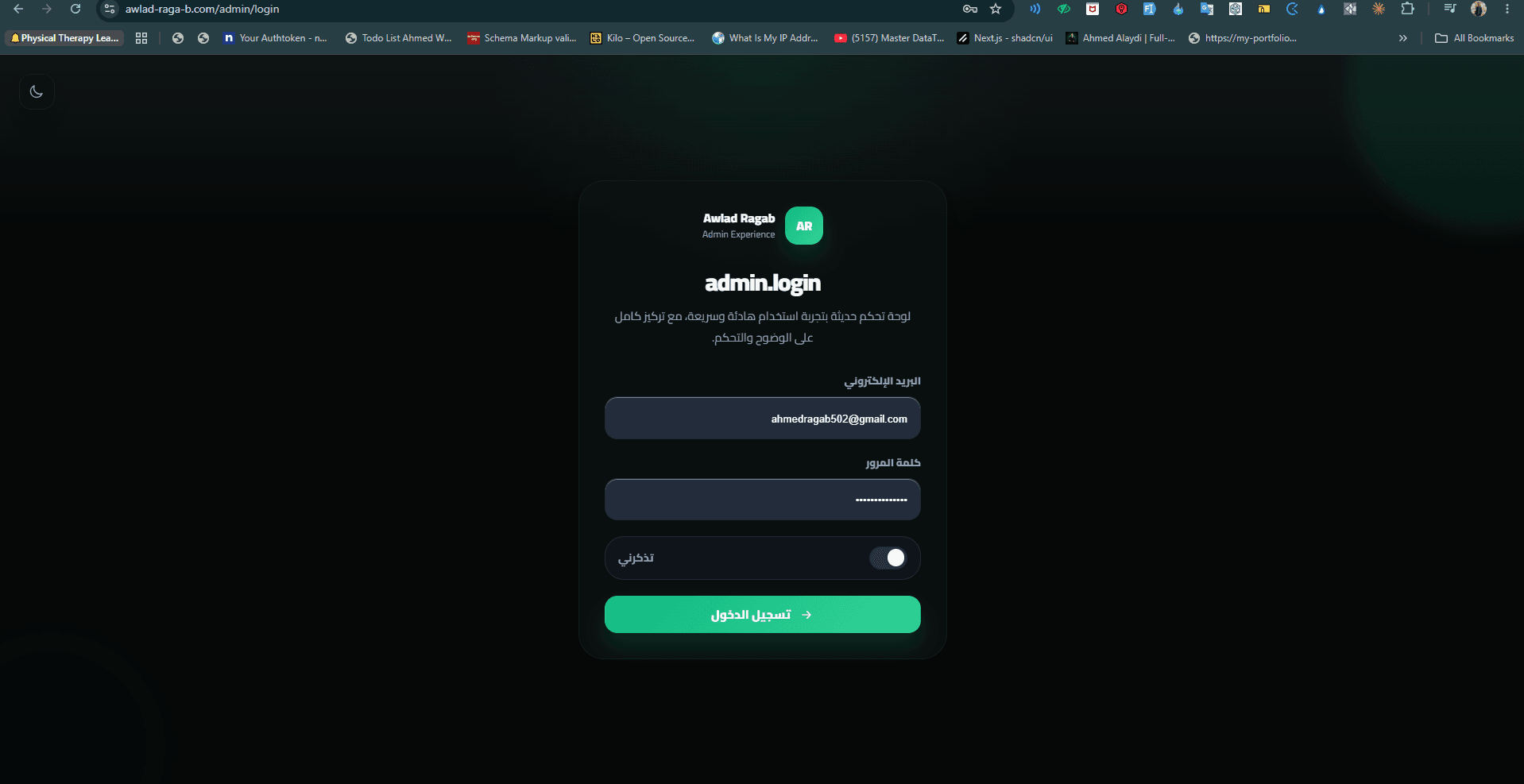
Secure login system with protected user and admin flows.
Processes user prompts, improves or translates them, sends generation requests to AI services, and stores the resulting images.
Allows users to generate a limited number of free designs and supports paid generation workflows for additional usage.
Stores generated designs so users and admins can review previous results.
Admin tools for monitoring users, generated designs, usage, and platform settings.
External surfaces
Backend service that receives design prompts and returns generated clothing images.
Converts Arabic or mixed-language prompts into stronger English prompts suitable for AI image generation.
Endpoints for listing previous generations, previewing results, and managing generated assets.
What admins control
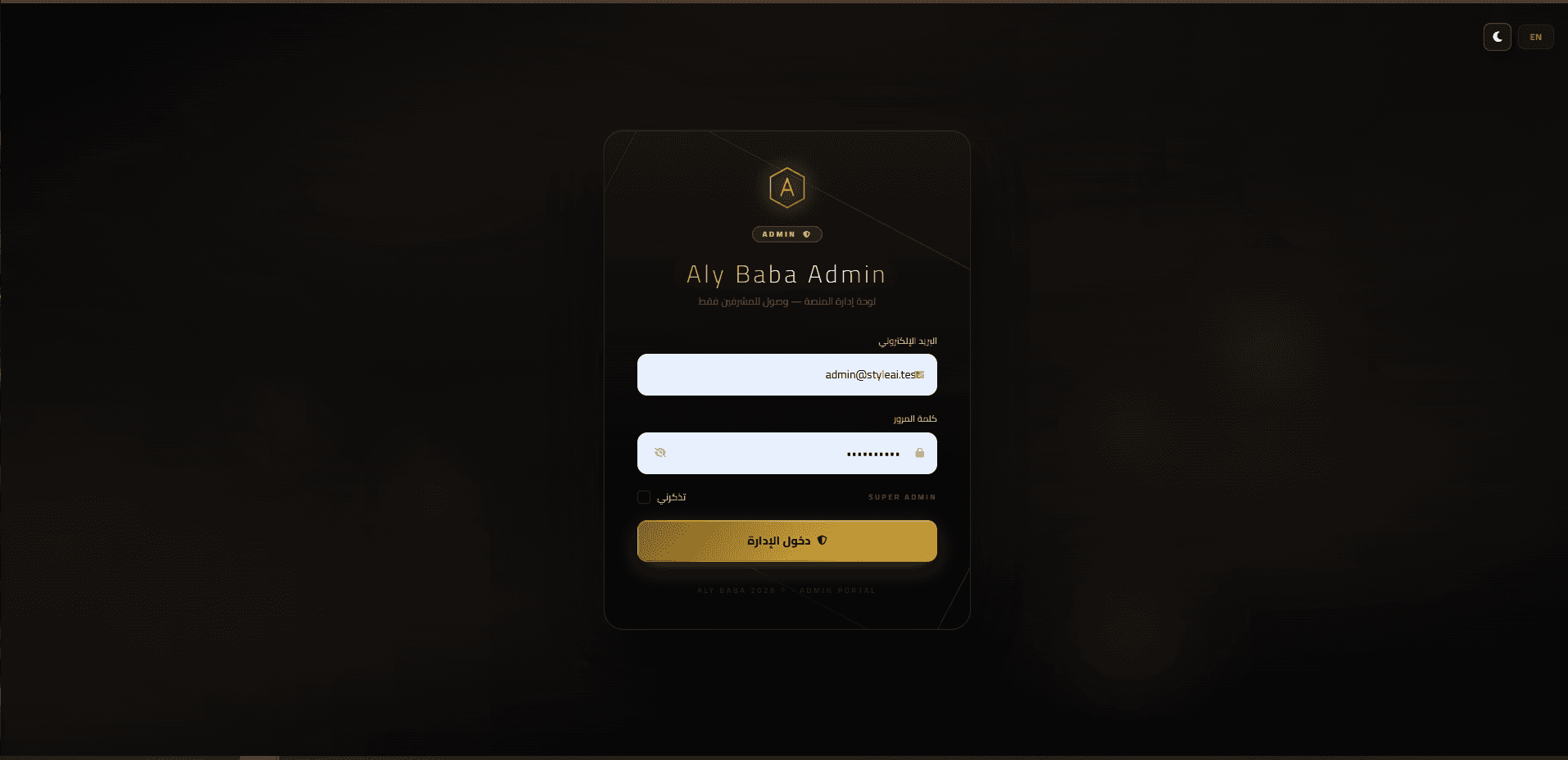
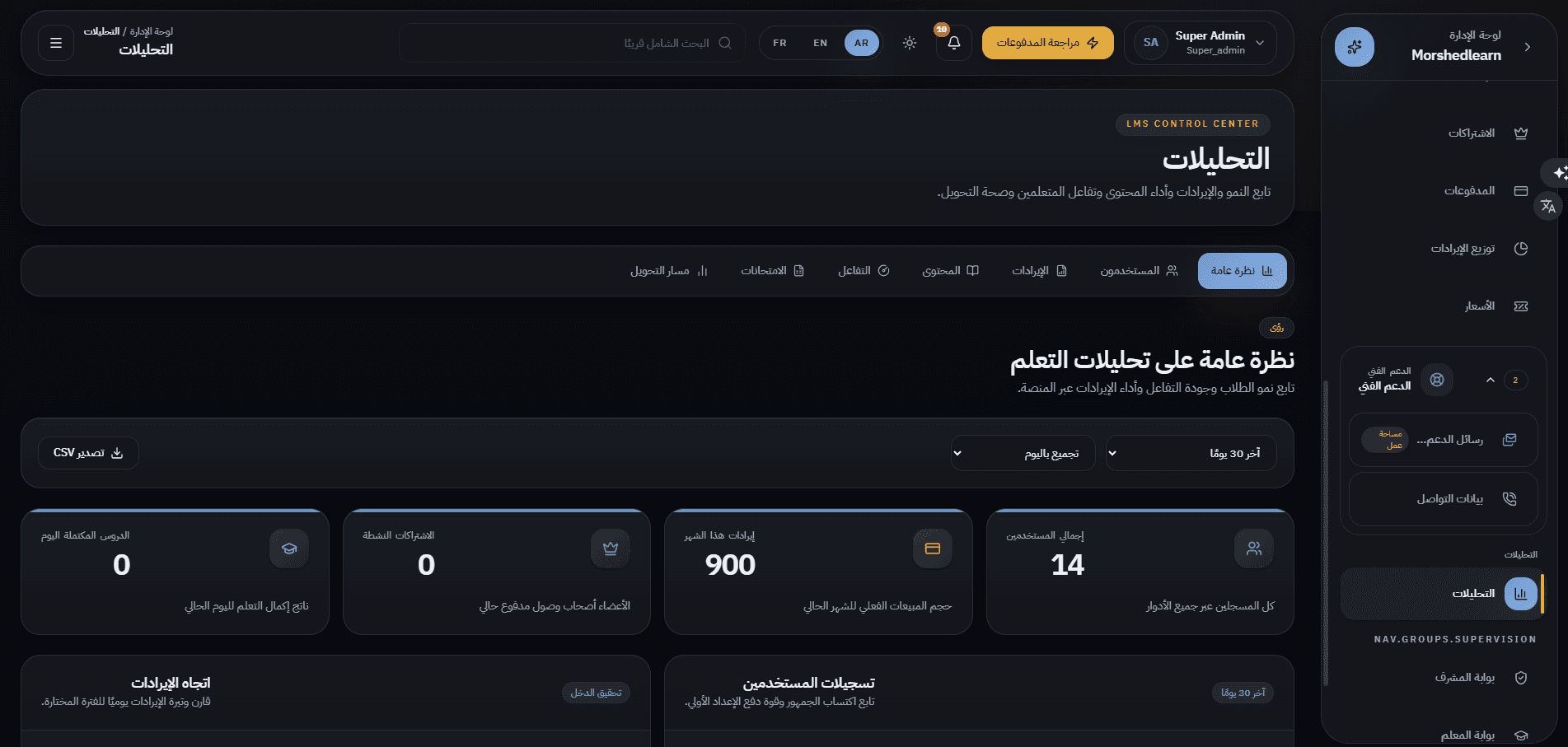
Main overview for users, design activity, generated images, and system usage.
Core screen where users enter clothing ideas and generate fashion design visuals.
Gallery for viewing generated clothing concepts and previous design results.
Manage free generation limits, paid generations, and user credit status.
Admin section for managing platform users and their usage.
System configuration for AI provider settings, generation limits, branding, and platform options.
Hard problems, handled
Users may write vague or Arabic prompts that do not produce strong AI results.
Added a prompt translation/improvement layer to convert user ideas into clearer generation prompts.
AI generation usage can become expensive if unlimited.
Implemented free usage limits and prepared the system for paid credits.
Generated results need to be easy to review and reuse.
Built a gallery/history workflow for generated clothing images.
Built to stay fast
Design and interaction
Ready to ship and operate
What it does
Users can describe clothing ideas and generate visual fashion concepts using AI-powered image generation.
Arabic prompts can be translated and improved before being sent to the AI model for better image results.
The platform supports a limited number of free generated images before requiring additional credits or payment.
Generated images are displayed in a clean preview/gallery interface for easy review.
Admins can manage users, usage limits, generated designs, and platform configuration.
The interface supports Arabic and English with RTL-friendly layouts.
Why we chose what we chose
Laravel as the backend foundation.
Laravel provides strong authentication, validation, database handling, service classes, and clean integration with external AI APIs.
React and Inertia for the frontend.
React provides a dynamic product experience while Inertia keeps Laravel routing and frontend pages connected without building a fully separate SPA API layer.
AI prompt translation before generation.
Image generation models often perform better with optimized English prompts, so the system improves user input before sending it to the AI provider.
Credit-based generation workflow.
AI image generation has cost, so usage limits and credits help control free usage and prepare the platform for monetization.
Results
Other case studies
Building something similar?
Let's scope your platform — dashboard, mobile apps, APIs, the full stack.